Finishing the Season Off Well: Navigating the Post-Winter Transition

As the air turns slightly warmer and the winter sports season draws to a close, local grounds across the region are filling up with intense finals action. Whether you spent the winter on the footy oval, netball court, soccer pitch, or hockey field, your body has logged hundreds of kilometers, tackled, sprinted, and absorbed weeks of cumulative physical stress.
With pre-season for summer sports like cricket, athletics, swimming, and touch football right around the corner, the temptation is often to jump straight from one season into the next.
However, as physiotherapists, our message is simple: To perform your best this summer, and stay injury-free, spend time post-season deloading.
1. Why Deloading and Rest is Important
Many athletes fear that taking time off will mean losing all their hard-earned fitness. In reality, deloading is where adaptation actually happens.
Throughout a long winter season, your muscles, tendons, joints, and nervous system accumulate micro-trauma. Constant high-intensity effort without an explicit recovery phase leads to:
• Tendon overload
• Central Nervous System (CNS) fatigue: Decreased reaction times, lower power output, and mental burnout.
• Elevated injury risk: Heading straight into summer pre-season with residual tightness significantly increases the risk of early-season soft tissue strains.
2. The 3-Phase Transition Plan
Instead of stopping completely or immediately starting heavy summer training, structure your post-season transition using these three phases:
Phase 1: Complete Mental & Physical Rest (1–2 Weeks)
• The Goal: Lower systemic inflammation and give your mind a break.
• Action: Zero structured team training or heavy lifting. Focus on sleep, good nutrition, and light daily movement (like walking or gentle stretching) only if you feel like it.
Phase 2: Dynamic Deloading & Cross-Training (2–3 Weeks)
• The Goal: Maintain cardiovascular baseline while letting winter-stressed joints heal.
• Action: Shift to low-impact, non-directional activities. If you play a multi-directional sport like netball or footy, switch to straight-line, low-impact cardio like swimming, light cycling, or pilates. This keeps your heart healthy without loading the same weary joints.
Phase 3: Targeted Summer Preconditioning (2+ Weeks)
• The Goal: Build specific capacity for your summer sport.
• Action: Gradually introduce sport-specific movement patterns (e.g., throwing mechanics for cricket or sprint mechanics for athletics) alongside a targeted strength program to address any lingering winter niggles.
Quick Tip: Finals Game Recovery, Maximizing Performance Between Matches
If you're still in the thick of finals, long-term deloading will have to wait! Right now, your priority is rapid turnaround between games or training sessions.
High-Impact Recovery Rules for Finals:
1. The 30-Minute Window: Consume high-quality carbohydrates and protein within 30 minutes post-game to jumpstart muscle glycogen replenishment and repair
2. Prioritize Active Recovery Over Rest Days: The day after a tough finals match, do 20–30 minutes of very light movement (an easy walk or swim). This promotes blood flow to clear metabolic waste.
3. Sleep is Your Primary Modality: No massage gun or ice bath can replace 8–9 hours of quality sleep. Aim for a dark, cool room to maximize deep recovery cycles.
Good Luck in the Finals!
To all the players, coaches and parents, battling it out in finals over the coming weeks, the entire team at Active Health wishes you the best of luck!
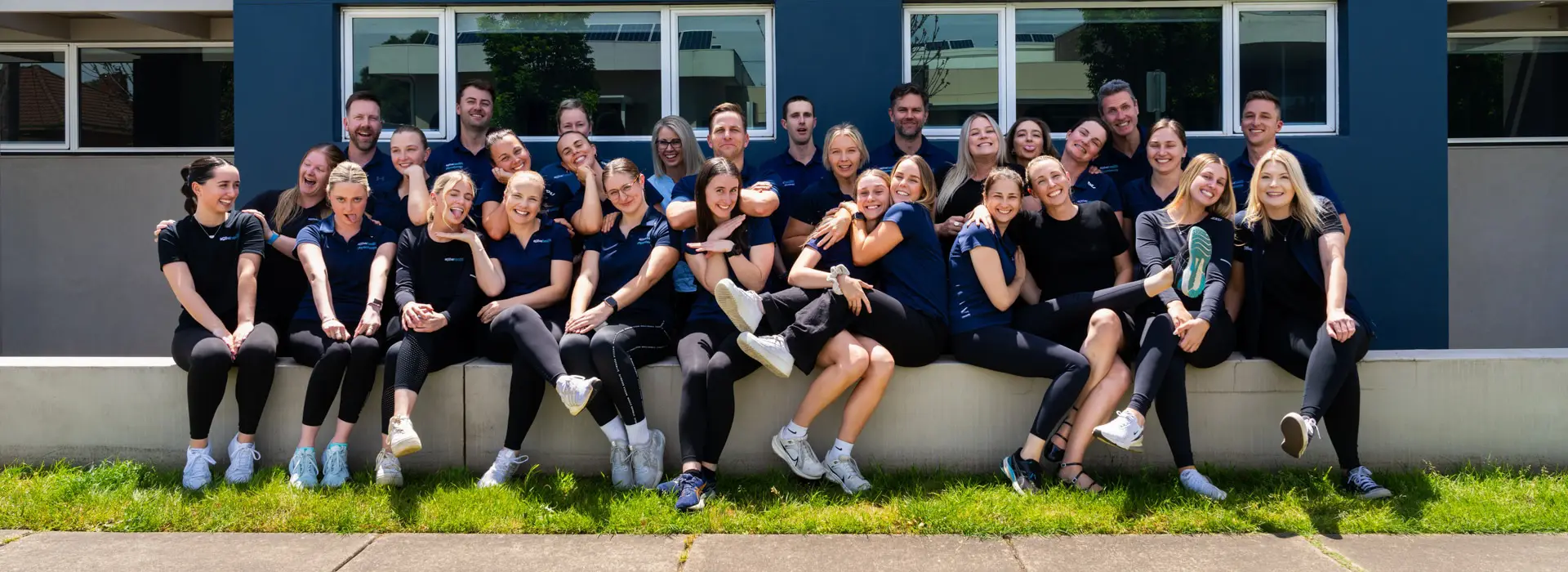
A huge shoutout as well to our therapists and support team who are wrapping up the season strong, including those competing in their own finals campaigns! Bring home the win.
If you want to assess an injury you’ve been managing throughout the season, or if you're looking to build strength heading into summer, get in contact with us! Book in to see our Physios or an EP (Exercise Physiologist) for a structured gym program tailored specifically for you.
Subscribe to our Newsletter
Receive the latest news and insights to your inbox. No fluff or spam.
By subscribing you agree with our Privacy Policy

Book Your Appointment
Take the first step towards moving better and feeling stronger. Book online or contact us direct to schedule your initial consultation.