Shin Splints
Targeted assessment and rehabilitation for Shin Pain, lower leg injuries and biomechanical support
Understanding shin pain
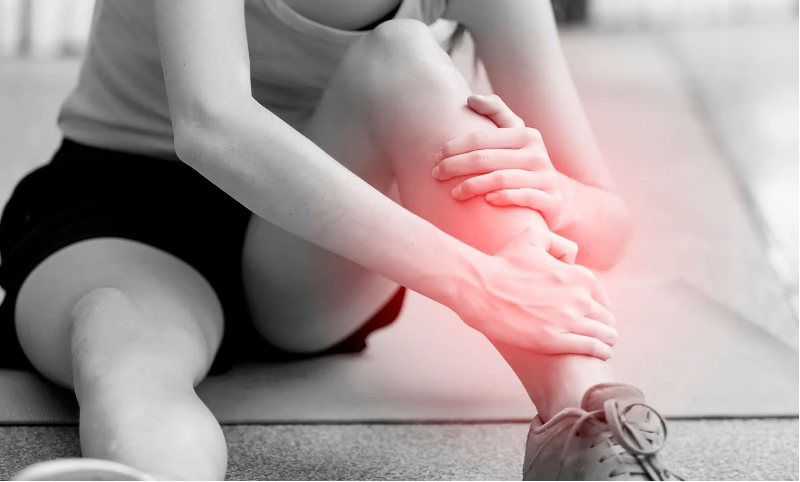
If you feel a sharp or aching pain along the inside of your shin when you run or exercise, you may be experiencing what is commonly referred to as shin splints. Although often used as a single term, shin splints actually describe several lower leg conditions that cause exercise-induced pain at the front of the shin.
What are Shin Splints?
Shin splints is an umbrella term used to describe pain related to stress on the muscles, tendons, and bone tissue of the lower leg. The four main types include:
- Medial Tibial Stress Syndrome (MTSS)
- Pain along the inside border of the shin bone. This is the most common form we see at our clinic.
- Pain along the inside border of the shin bone. This is the most common form we see at our clinic.
- Medial Tibial Stress Fracture
- Prolonged or excessive stress can lead to a small crack in the tibia.
- Prolonged or excessive stress can lead to a small crack in the tibia.
- Compartment Syndrome
- Pressure builds within the lower leg muscle compartment, restricting circulation and causing pain.
- Pressure builds within the lower leg muscle compartment, restricting circulation and causing pain.
- Anterior Tibial Stress Syndrome
- Pain along the outside of the shin bone.
- Pain along the outside of the shin bone.
Because MTSS is the condition most frequently treated in our clinics, the information below focuses on recognising and managing this specific injury.
What is Medial Tibial Stress Syndrome (MTSS)?
MTSS occurs when the tendons, muscles, and the periosteum (the tissue layer that covers the bone) become irritated due to repetitive load. This stress can also create a reactive response within the tibial bone itself. MTSS is particularly common in running and jumping sports, especially when training loads increase quickly.
What causes Shin Splints?
MTSS is considered an overuse injury driven by repetitive micro-trauma to the tibia and surrounding soft tissues. Risk factors include:
- Rapid increases in training load, volume, or impact
- Being female
- Previous episodes of MTSS
- Poorly supportive footwear
- Biomechanical factors
- Reduced ankle mobility
- Reduced calf strength

How we can help
Early treatment is essential to prevent the condition progressing into a more serious bone stress injury. After a thorough biomechanical assessment, our Podiatrists may tailor a plan that includes:
- Activity modification
- Strengthening programs
- Foot and ankle mobilisation therapy
- Footwear education
- Gait retraining
- Orthotic therapy
- Shockwave therapy
- Dry needling
We use an evidence-based, active approach to reduce pain, improve load tolerance, and help you return to the activities you enjoy with confidence.
If you’re experiencing shin pain, it’s important not to ignore it. Our Podiatrists are here to guide your recovery and help prevent further injury.
Our Practitioners with a special interest in Shin Splints

Book Your Appointment
Take the first step towards moving better and feeling stronger. Book online or contact us direct to schedule your initial consultation.