Severs (Calcaneal Apophysitis)
Assessment and support for growth related foot and heel pain in children and adolescents
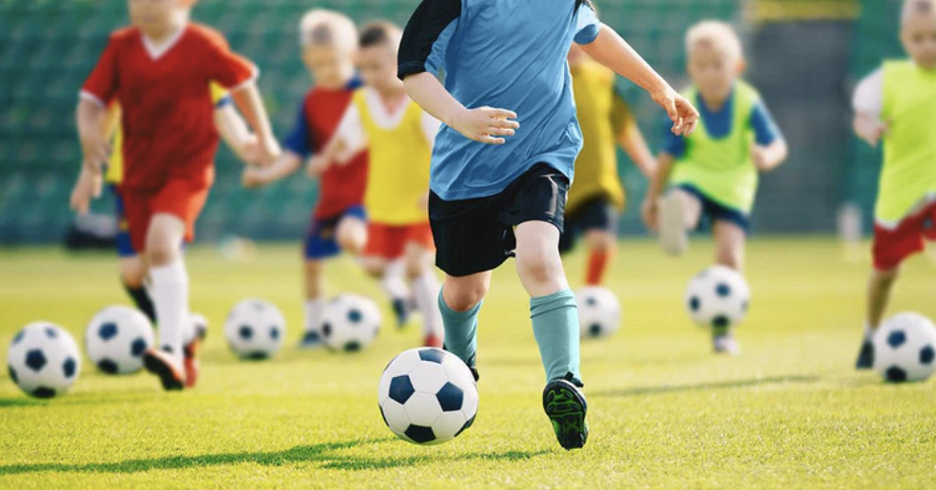
Heel pain is a common complaint in active children aged 8 to 14. One of the most frequent causes is a condition called Calcaneal Apophysitis, more commonly known as Severs. Although it can be quite painful, it is a self-limiting condition and responds very well to early assessment and guided management.
What is Severs?
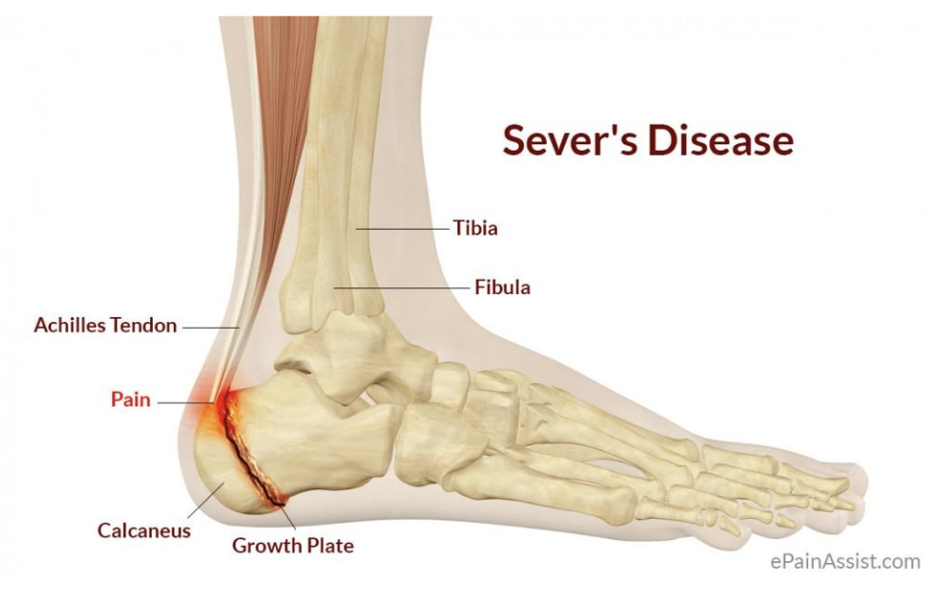
Severs occurs when the growth plate at the back of the heel becomes irritated or inflamed. This growth plate is where the Achilles tendon attaches to the heel bone. During periods of rapid growth, this area becomes more sensitive to load, making active kids more prone to symptoms.
Common signs and symptoms
Children with Severs may experience:
- Sudden increases in training volume
- Growth spurts
- Poor or worn footwear
- Tight calf muscles
- Hard playing surfaces
If symptoms persist, worsen, or begin affecting activity levels, early assessment is recommended.
Why does Severs occur?
During puberty, the growth plate (apophysis) begins transforming from cartilage into bone. This process temporarily increases sensitivity. When a child increases their activity level, particularly in sports that involve running, jumping or quick direction changes, extra load is placed through the calf and Achilles tendon. This tension can irritate the growth plate, resulting in heel pain.
Factors that may contribute include:
- Sudden increases in training volume
- Growth spurts
- Poor or worn footwear
- Tight calf muscles
- Hard playing surfaces
How we help at Active Health Riverina
Severs improves naturally over time as the growth plate matures, but symptoms can significantly impact a child’s ability to participate in sport and everyday activities. Our goal is to help your child keep moving safely and comfortably throughout their recovery.
Your podiatrist may use a combination of:
- Activity and load management to reduce flare ups
- Taping or heel lifts to reduce strain on the growth plate
- Footwear guidance or temporary modifications
- Strength and flexibility work using the Active Tool Kit
- Orthotics, when required, to improve foot mechanics and reduce pressure
Because the growth plate may remain active for up to two years, understanding how to manage symptoms during growth spurts and busy sporting periods is essential. Our team will guide your child through each recovery phase, ensuring they can stay active with confidence.
We’re were to help
If your child has been complaining of heel pain, our experienced Heel Pain Podiatrists are ready to assess their symptoms and create a clear, personalised plan.
Our Practitioners with a special interest in Severs
Book Your Appointment
Take the first step towards moving better and feeling stronger. Book online or contact us direct to schedule your initial consultation.