Plantar Fascitis
Assessment and evidence based treatment for heel pain and foot function
Understanding your heel pain and how we help you recover
Do you wake up with a sharp pain in your heel that slowly eases as you take a few steps? If this sounds familiar, you may be experiencing plantar fasciitis.
What is Plantar Fasciitis?
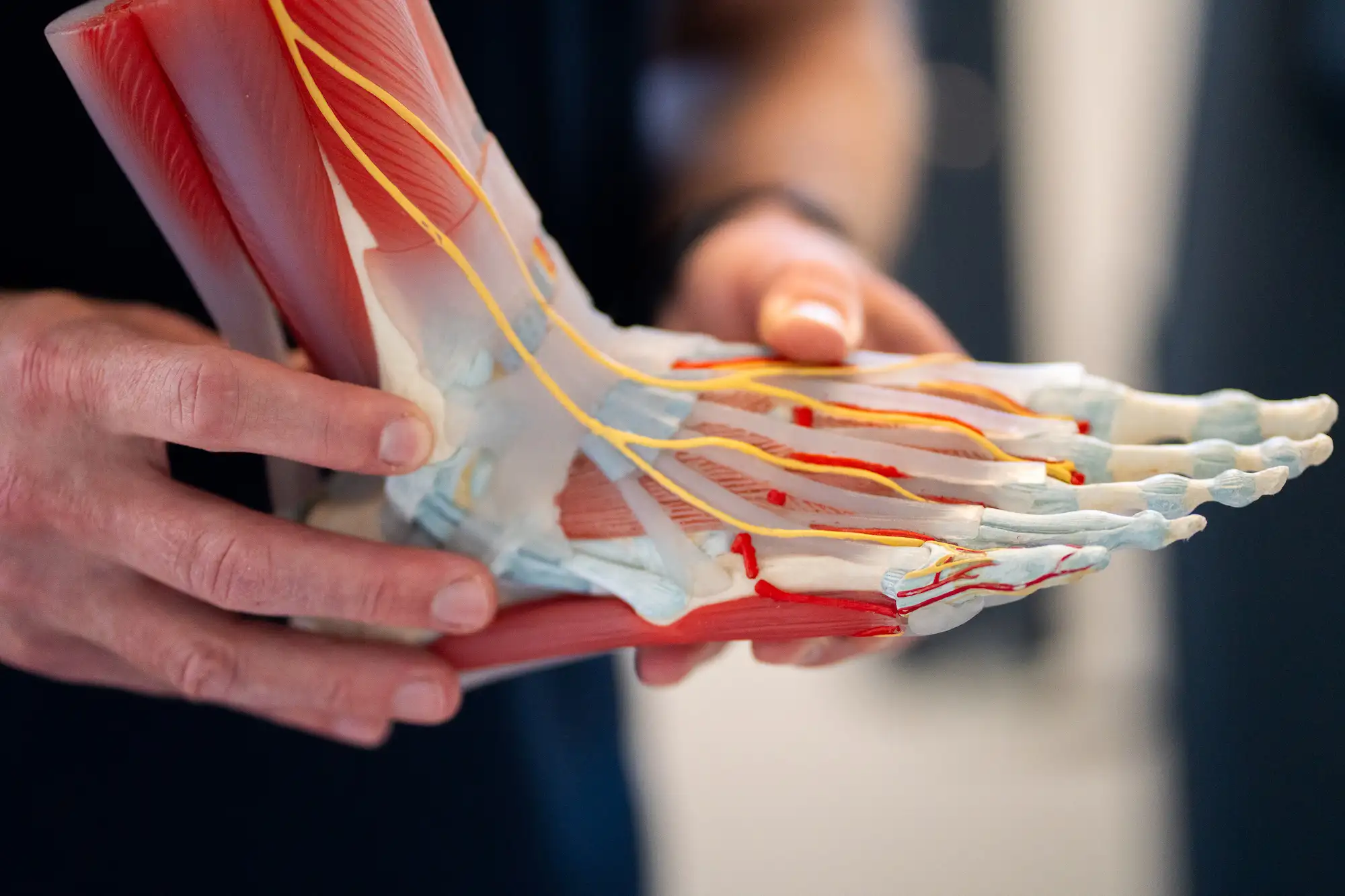
Plantar fasciitis, also called plantar fasciopathy, is one of the most common foot conditions our podiatrists treat. It affects the plantar fascia, a thick band of connective tissue that supports the arch of your foot and helps you walk, run and move with strength and stability.
The plantar fascia acts like a spring. It absorbs shock as you land and provides a strong lever and elastic energy as you push off. When its load tolerance is exceeded, the tissue can become irritated, inflamed or thickened. Over time, this can lead to microtears where the fascia attaches to the heel.
What causes Plantar Fasciitis?
Plantar fasciitis is a load-related condition. It usually develops when the strain placed on the plantar fascia outweighs the tissue’s capacity to cope.
Common contributors include:
- Limited ankle range of motion
- A sudden increase in physical activity
- Foot biomechanics that place greater demand on the fascia
- Long periods of standing or walking at work
When the plantar fascia is overloaded, the tissue becomes sensitive and painful, particularly at the heel.
When is it most painful?
Many people notice the worst pain:
- First thing in the morning
- After sitting for a period of time
- When taking the first steps after rest
At rest, the plantar fascia sits in a shortened position. When you stand, it stretches quickly and pulls on the heel attachment, creating a sharp, familiar pain. As you move around, the fascia becomes more elastic and symptoms ease, often returning later in the day with increased walking or load.
How we treat Plantar Fasciitis
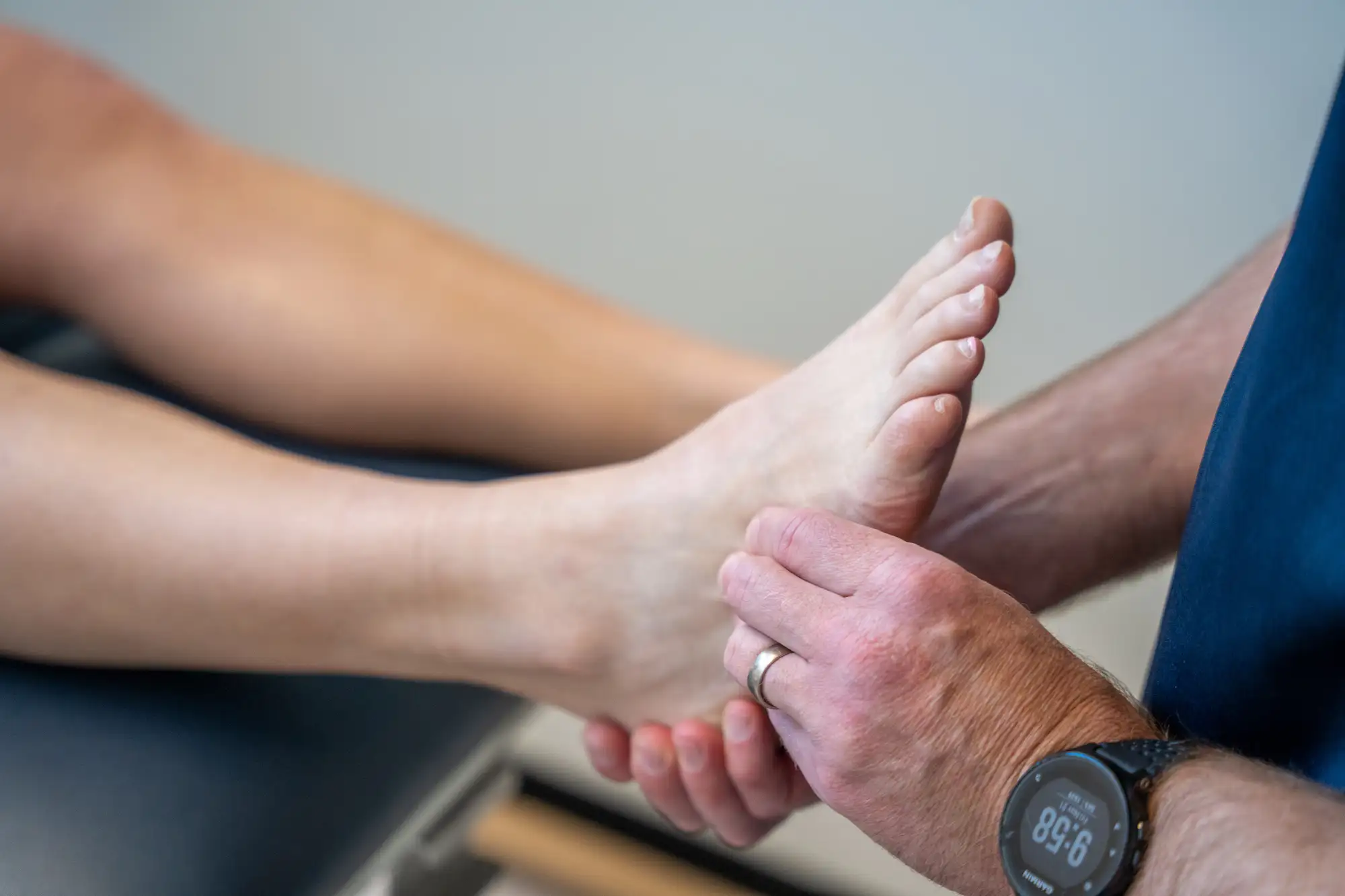
There are many treatment options available, but the most effective plan is one built specifically for you. Our podiatrists follow Active Health Riverina’s evidence-based, phase-guided approach to reduce pain, restore strength and help you return to the activities you enjoy.
1. Relieve
The first stage focuses on settling your symptoms by reducing excessive load on the plantar fascia without stopping you from moving.
We identify the activities contributing to your pain and adjust them slightly to allow healing. This may include short-term activity modification, supportive footwear, taping or temporary load-reduction strategies. The goal is to calm the irritated tissue while keeping you active.
2. Restore
As your symptoms improve, we begin gradually reintroducing load. The plantar fascia responds well to progressive, well-timed strengthening.
Your plan may include:
- Ankle and big toe mobility work
- Foot and ankle strengthening
- Balance, control and lower-limb stability training
Our team works closely together to build a personalised load management plan that supports progress while avoiding flare-ups.
3. Thrive
In the final stage, we progressively build the strength, capacity and resilience of the foot, ankle and lower limb so you can return to your usual activities with confidence. This stage not only supports full recovery but also reduces the likelihood of the condition returning, helping you come back stronger than before.
Our Practitioners with a special interest in Plantar Fasciitis

Book Your Appointment
Take the first step towards moving better and feeling stronger. Book online or contact us direct to schedule your initial consultation.