Heel spurs
Evidence based assessment and rehabilitation for heel pain and spurs
What is a heel spur?
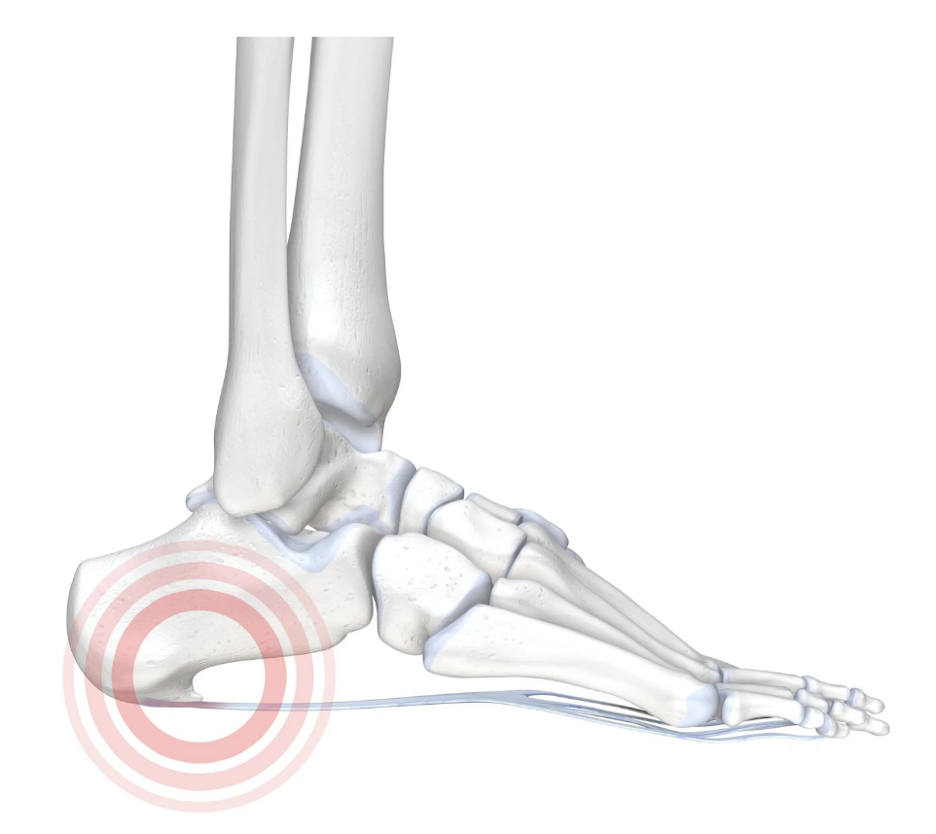
A heel spur is a bony prominence that extends from the heel bone (Calcaneus).
Heel spurs most commonly form underneath the heel at the insertion of the plantar fascia. They are usually associated with a tight plantar fascia or Plantar Fasciitis.
They can also develop on the back of the heel bone at the insertion of the achilles tendon. They are usually associated with a prolonged period of Achilles Tendinopathy, calf muscle tightness or ill-fitting shoes.
What causes a heel spur?
Bone spurs are caused by abnormal bone growth. When there is constant irritation and stress on the bone for greater than 6-8 weeks, the cells responsible for bone growth are stimulated to produce calcium deposits to protect the bone from injury. As the calcium deposits build up over time a spur shaped deformity forms, which can be seen below on X-ray.
Imaging studies have shown that heel spurs do not always cause heel pain. The heel spur is often a side effect of the real underlying cause of your heel pain, such as Plantar Fasciitis or Achilles Tendinopathy. By treating these underlying conditions symptoms associated with the heel spur often resolve.
Common symptoms of heel spurs
Symptoms linked to heel spurs may include:
- Sharp or aching pain under the heel on weight bearing
- Pain that is worse with the first steps in the morning
- Discomfort after prolonged standing, walking or running
- Local tenderness when pressing under the heel
- Pain that can improve with activity but flare with rest
How we assess heel spurs
Assessment at Active Health Riverina includes:
- A detailed history of your pain and activity levels
- Observation of walking and functional movement
- Palpation of the heel and surrounding structures
- Range of motion and flexibility testing of the ankle and foot
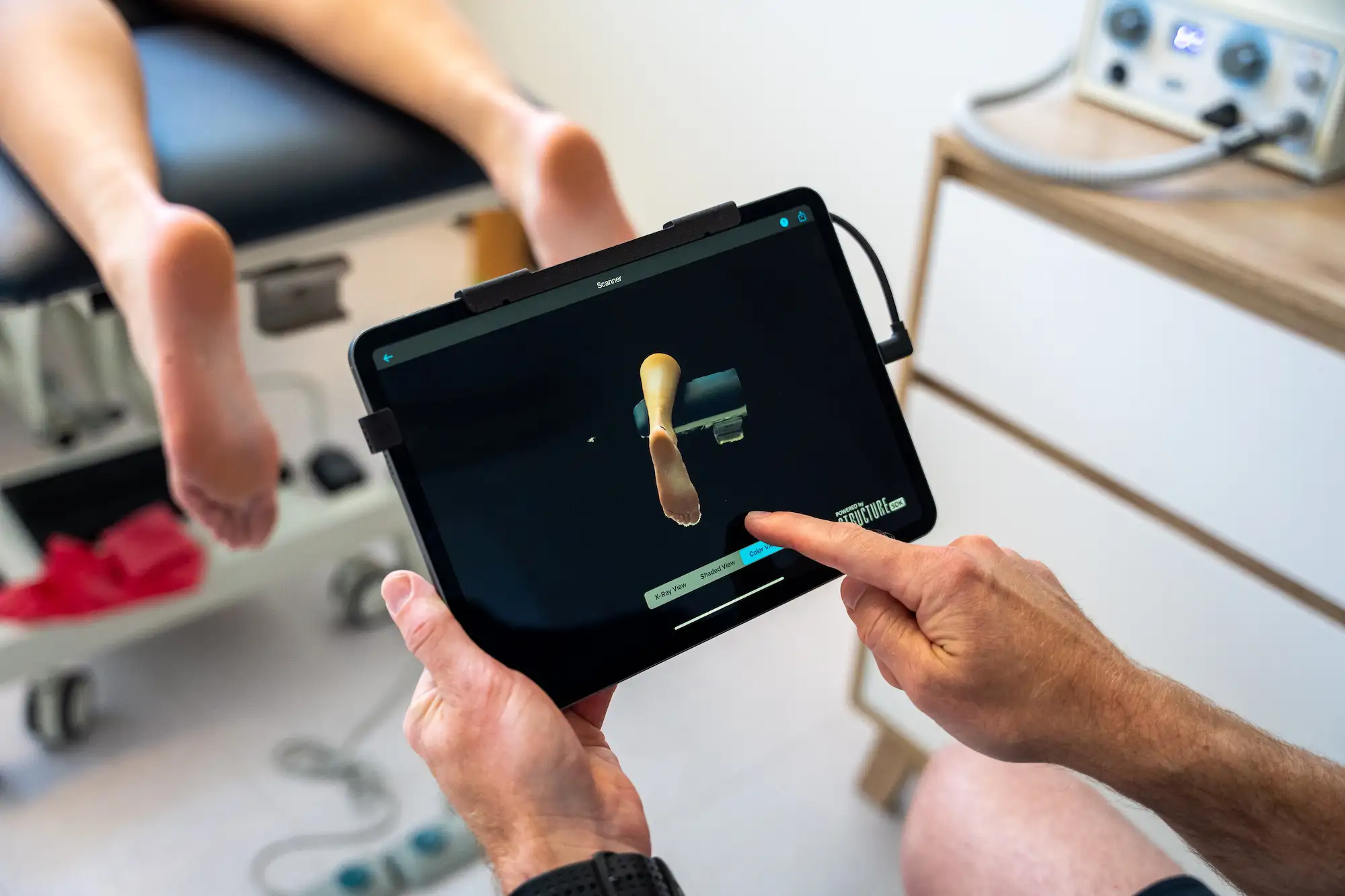
- Identification of contributing biomechanical drivers
This evaluation allows us to tailor an intervention plan that targets the drivers of your pain, not just the spur itself.
How do you treat a heel spur?
The first step in treating heel spurs is to identify the true cause of your heel pain. Most often this will involve the plantar fascia, achilles tendon or other structure surrounding the heel including the fat pad.
Depending on the cause of your heel spur, treatment will be tailored specifically to the diagnosis. Commonly heel spur treatments include:
Strengthening & Stretching exercises - To reduce tensile stress at the insertion of the tendon and strengthen the supporting muscles
Orthotics - To improve foot function and reduce load to the painful area
Footwear Modifications - Heel cups to cushion the heel spur and education on the most appropriate footwear for your feet
Taping and padding - Reduce pressure on painful areas
Treating the surrounding soft tissue structures will often resolve all pain and symptoms. In rare cases surgery may be required to remove the spur if conservative treatment fails to relieve pain.
Our Practitioners with a special interest in heel spurs
Book Your Appointment
Take the first step towards moving better and feeling stronger. Book online or contact us direct to schedule your initial consultation.