Bunions
Assessment and evidence based care for Bunions and pain across the front of the foot
Understanding forefoot and midfoot pain
Forefoot and midfoot pain refers to discomfort felt across the front and middle of the foot, including the toes, ball of the foot and arch structures. One common cause of forefoot pain is bunions, also known as hallux valgus, where the big toe joint gradually changes position and becomes irritated.
At Active Health Riverina, we focus on understanding what is contributing to your pain, how it is affecting your movement and footwear comfort, and how best to manage symptoms through conservative, evidence based care.
Common symptoms
Forefoot and midfoot pain may present as:
- Pain or aching at the big toe joint
- Visible bump or swelling associated with bunions
- Pain in the ball of the foot when walking or standing
- Pressure or rubbing discomfort in shoes
- Stiffness or reduced movement in the toes
- Fatigue or burning pain through the forefoot
Symptoms often change depending on footwear, activity levels and time spent on your feet.
What is a Bunion?
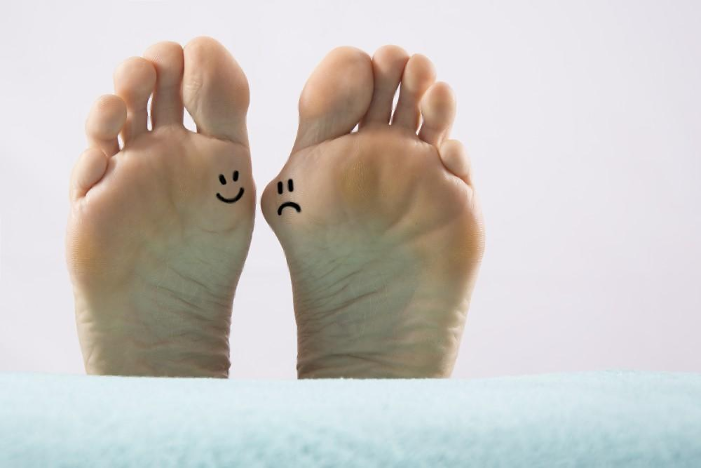
A Bunion is a bony joint deformity at the base of the big toe, known as the 1st MetaTarsoPhalangeal (MTP) Joint. A Bunion is characterised by a deviation of the 1st metatarsal which then causes the big toe to move towards the little toes. The appearance of a ‘lump’ is actually the change in alignment of these bones.
Did you know that you can also get a Bunion on your little toe on the outside of your foot? This is called a Bunionette or a Tailor’s Bunion.
What's the big deal about the big toe?
The big toe (Hallux) is 4 times larger than the other toes in the foot as it needs to carry approx. half our body weight when walking and is responsible for around 80% of the stability in our feet.
The big toe allows us to absorb shock when we land and provide a rigid lever when we push off. It also assists in maintaining the body's balance when standing and produces power during propulsion.
The big toe has a strong connection to the rest of our body, applying the foundation for the stability of the joints further up the chain.
So next time you put on your socks, marvel at your big toe and how it keeps us moving every day!
What causes a Bunion?
Bunions are a progressive condition that can be caused by a combination of the following factors:
- Poor Biomechanics: The foot's ability to function during gait can effect the alignment of the big toe.
- Hypermobility: When the joint's ligaments are loose (ligament laxity), they can cause instability in the big toe joint leading to the formation of a Bunion. ]
- Footwear: Wearing tight and restrictive footwear for prolonged periods can lead to poor toe alignment and function.
- Intrinsic foot strength: Weak foot muscles can lead to the formation of bunions
What causes forefoot and midfoot pain
Pain in the forefoot or midfoot can be influenced by:
- Structural changes such as bunions
- Foot posture and load distribution
- Prolonged or repetitive weight bearing
- Inadequate or narrow footwear
- High impact or standing based activities
- Muscle imbalance or joint stiffness
Understanding the underlying drivers helps guide the most effective management strategy.
How can we help?
The treatment of Bunion’s is aimed at reducing pressure on the joint and improving the stability of the foot and ankle to limit the progression and complications of a Bunion.
Treatments are highly individualised but can include the following:
- Footwear advice: Selecting footwear that allows the toes to splay and move naturally.
- Strengthening exercises: Improve the strength and function of the foot and ankle muscles
- Foot mobilisation therapy: There are 33 joints in each foot that were made to move but can become restricted with footwear
- Orthotic Therapy: Orthotics can improve the foot's biomechnics and help reduce load to the painful area.
- Padding & Strapping: To relieve pressure and support the joints
- Toe spacers: Toe spreaders or spacers can be used to improve the toe's alignment and function.
Our Practitioners with a special interest in forefoot and midfoot pain

Book Your Appointment
Take the first step towards moving better and feeling stronger. Book online or contact us direct to schedule your initial consultation.